
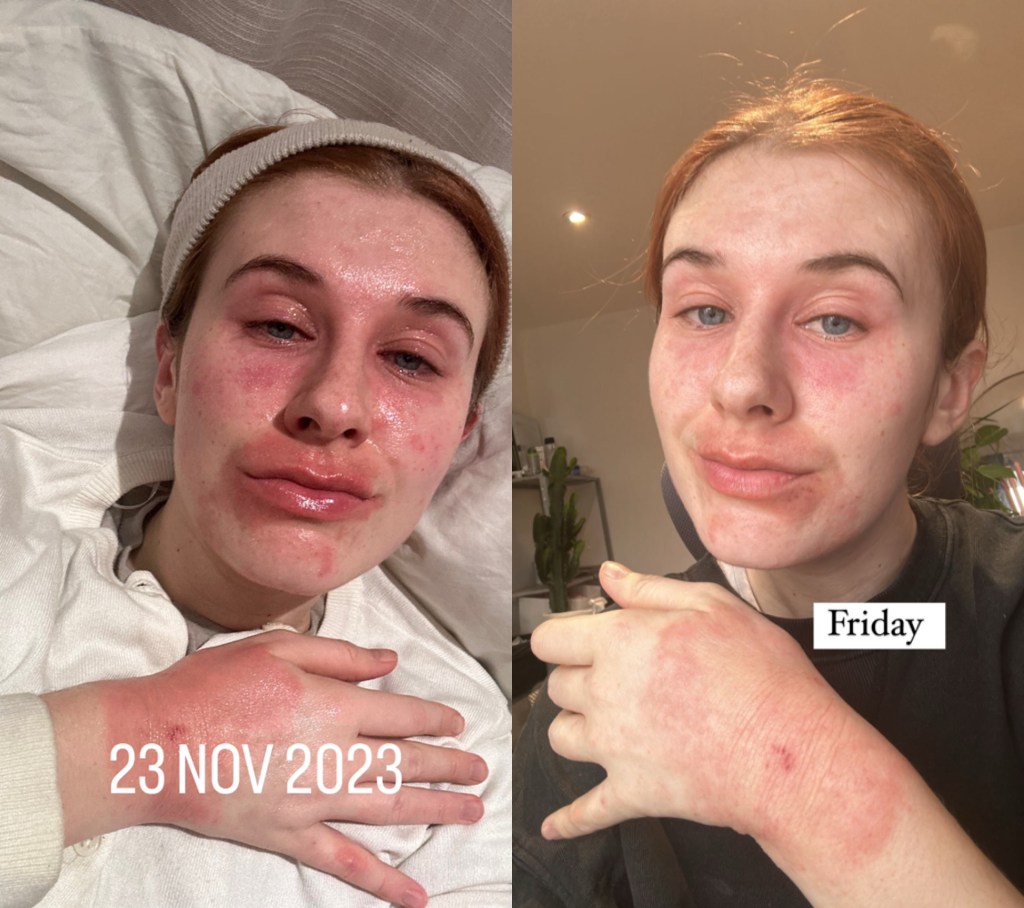
we often talk about medicine side effects but even before we bring them into play we have to deal with the social side effects of living with a visible difference.
Stress, anxiety, anger, depression, social isolation, low self-esteem, embarrassment, shame, and desperation… are all side effects of eczema… 98% of skin disease patients in a study of over 500 people reported that their condition affects their emotional and psychological well-being.
“This small box cannot begin to describe the sheer living hell of attempting to tear your own skin off”~ Respondent with atopic dermatitis
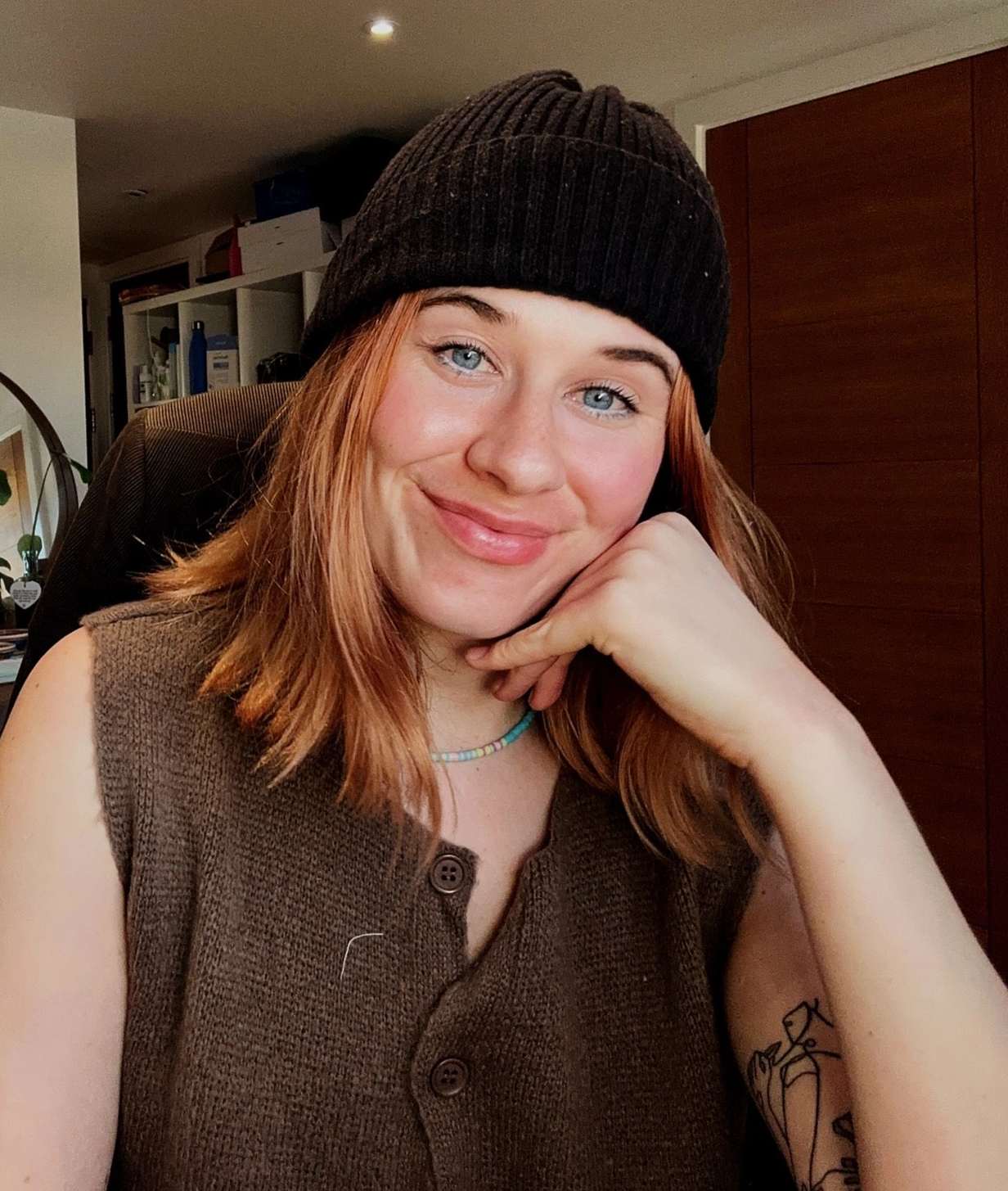
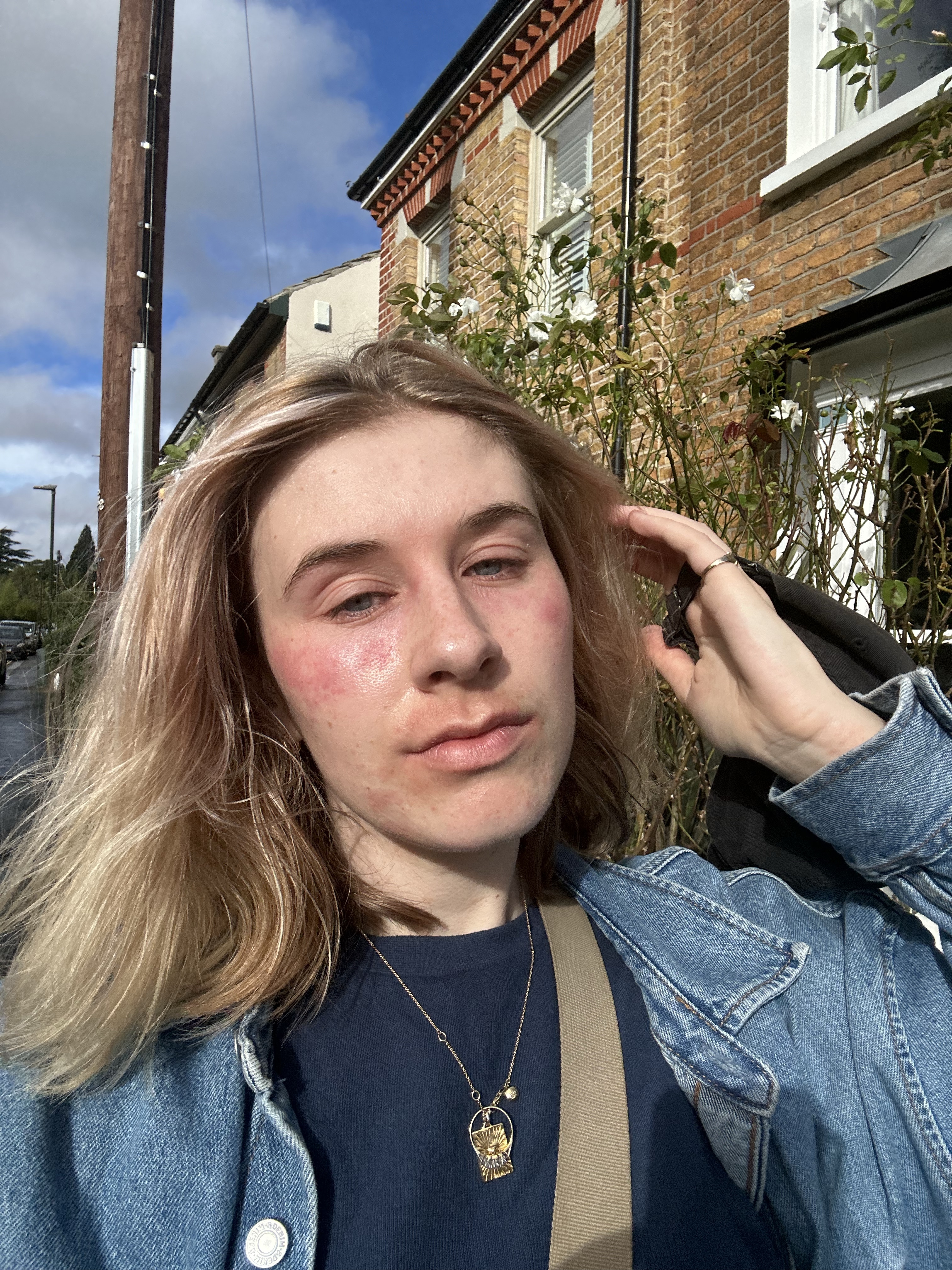

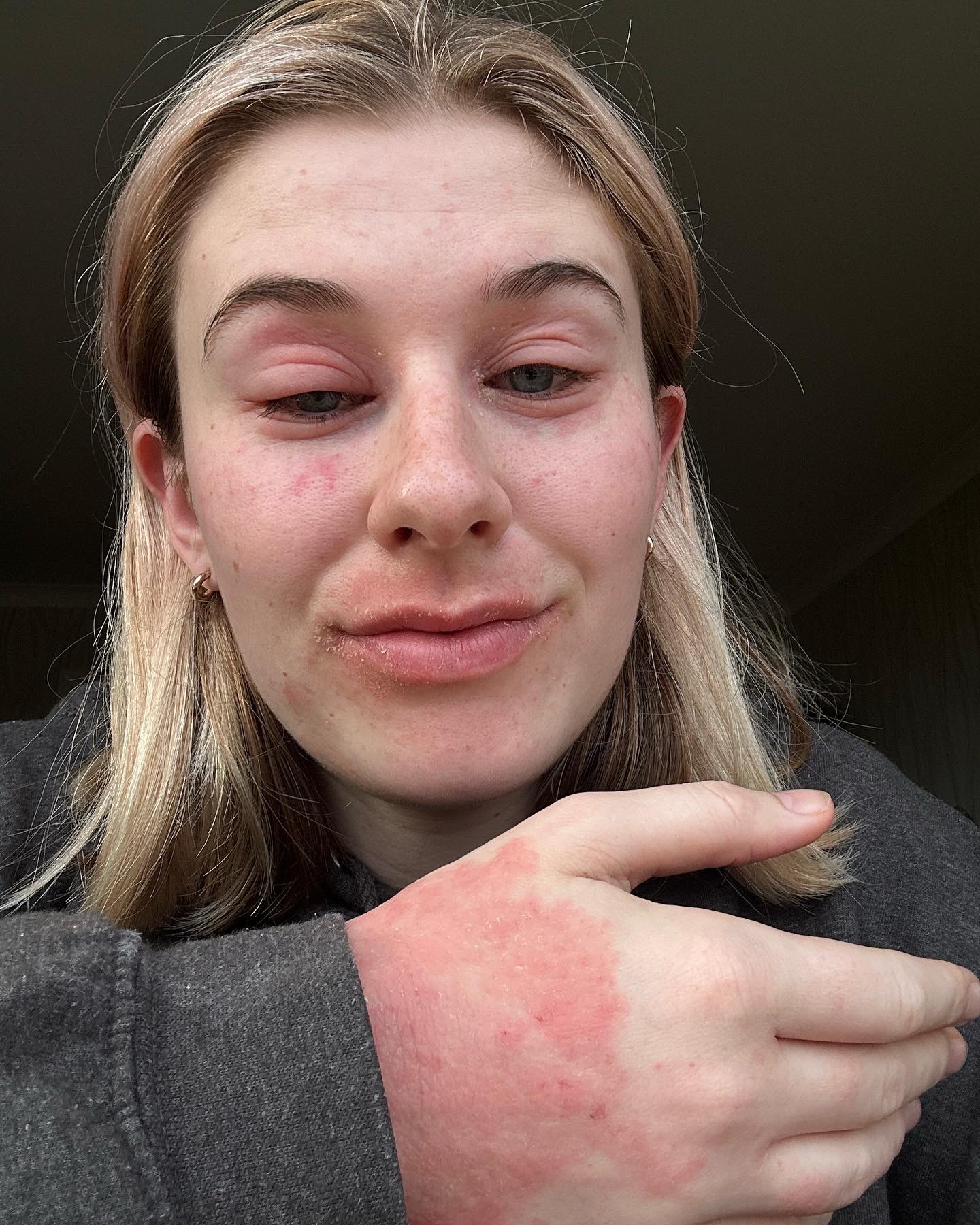
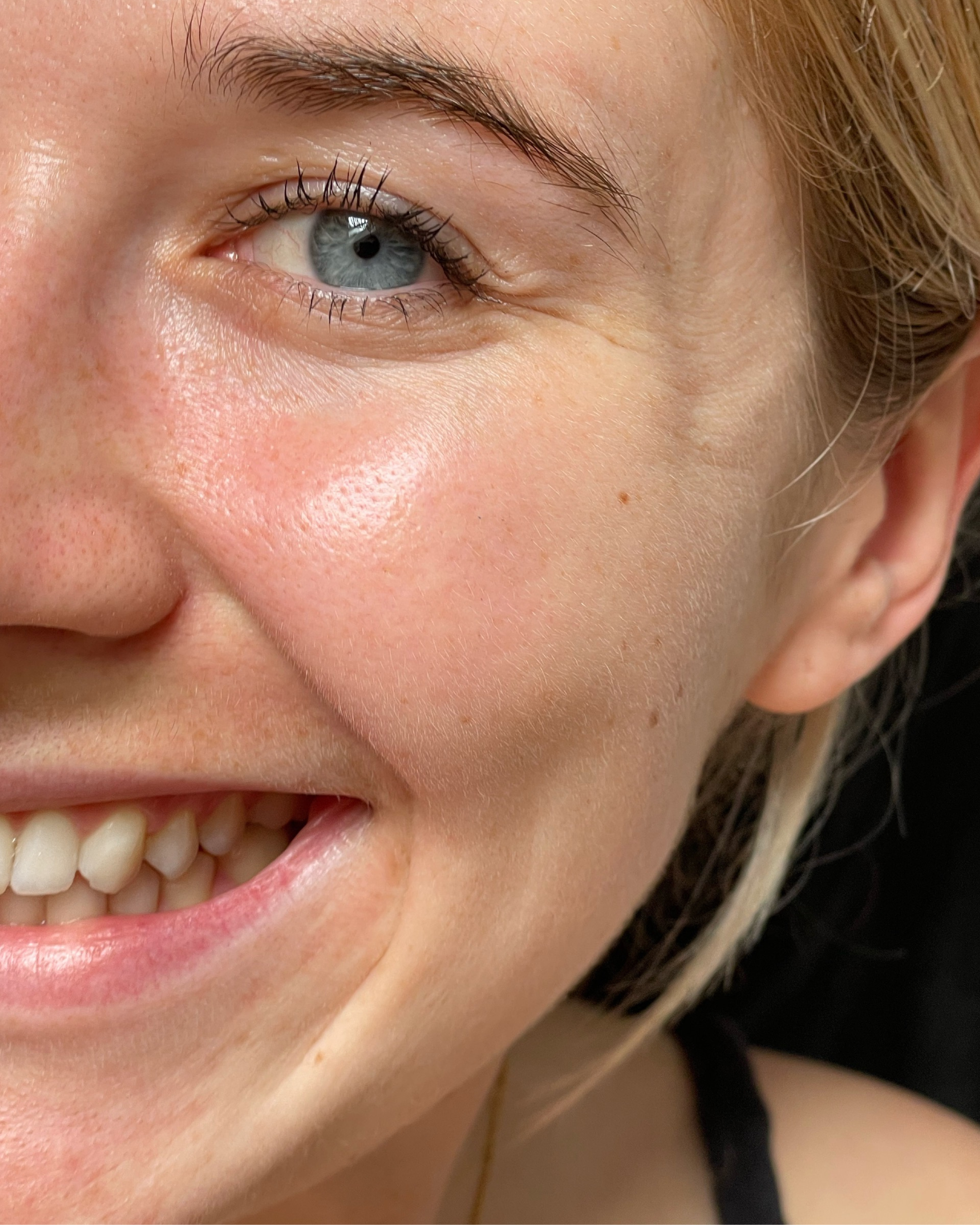
“I can’t look people in the eye. Every interaction I have with people, I can feel them staring and looking in disgust at the skin on my face. No amount of make-up, skin products or medications improved the conditions, but I constantly get unsolicited ‘advice’ about how to improve it from those without the conditions.”~ Respondent with acne and rosacea
Sharing this as this time of year is hard enough, I just want to remind you all you are not alone and there is support out there. I built a webpage on https://itchnbitch.uk/ full of recommendations for MH resources and also wanted to remind you of @changingfacesuk’s free confidential, one-to-one social, emotional, and psychological counseling and support sessions for people of all ages in the UK with a condition, mark or scar that affects their appearance (a visible difference).
If you feeling consumed by overthinking about your skin, it’s time to reach out for help. This is not normal. It’s okay to ask for help. I’ve taken time off work as I couldn’t straighten my fingers due to how cracked and dry they were. Asking for help and being open about your skin is a vital step towards healing physically and mentally.
💬 UNSOLICITED ADVICE. When you’re talking to someone about their mental health/ skin, it can be tempting to find a quick fix. This can become very overwhelming having people suggest endless ideas when all we need is to vent and for someone to truly listen without adding pressure to our healing. Sadly, Unsolicited advice tries to oversimplify complex conditions.

 Itch N Bitch