
By Jennifer Austin Hypnotherapy
Living with a chronic skin condition such as eczema or going through Topical Steroid Withdrawal (TSW) can feel incredibly isolating. The physical discomfort is constant, but at least it’s visible, which makes it easier for others to recognise. What often goes unseen is the emotional toll. Anxiety, frustration, shame, guilt, depression, embarrassment. These feelings weigh heavily, fuelling nervous system dysregulation and inflammation. When you carry them alone, they can feel unbearable.
Isolation in the mind often leads to isolation in daily life. You pull away, dark thoughts creep in, and optimism fades. “Will I ever heal?” “What if this is just my life now?” Our loved ones may try, but unless they’ve lived in an itchy body, they can’t truly understand.
This is where community becomes essential.

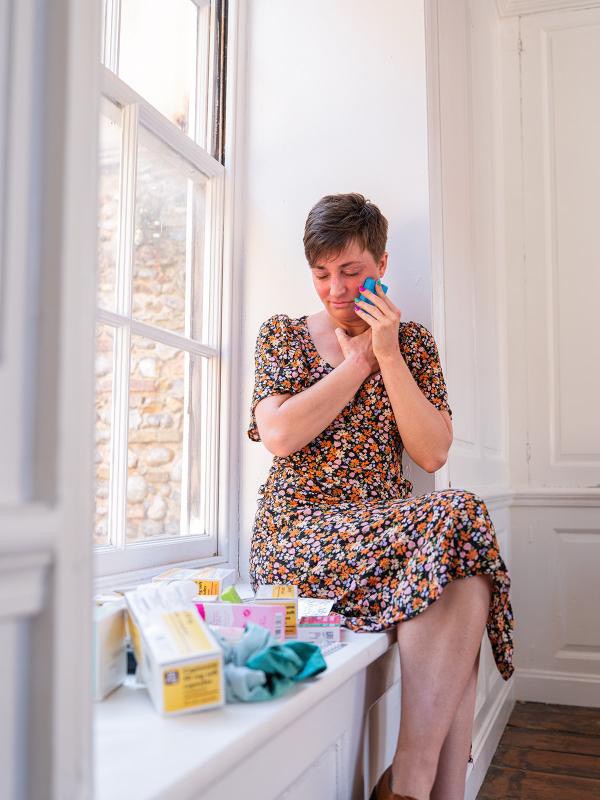


Humans are wired for connection. In tribal times, belonging meant survival. Even today, our brains release oxytocin when we connect with others, a hormone that lowers stress, reduces loneliness, and creates a sense of safety. The safer we feel, the calmer our bodies become. And with calm comes resilience: the ability to face challenges with a steadier heart.
For people with eczema or TSW, community offers more than companionship:
- Shared understanding: Only someone who has scratched until they bled, or stayed awake all night itching, truly knows that reality.
- Validation: Hearing “me too” dissolves shame. You’re not “making a fuss.” You’re not weak or dramatic.
- Hope: Meeting others further along in their journey offers a glimpse of what’s possible for you too.
- Practical support: From sleep hacks to skincare tips, from experiences with medication to navigating dermatology appointments, shared wisdom makes the road lighter.
Even brief connections have a powerful impact. Studies show that just 11 minutes of talking with a friend can lift mood, reduce stress, and increase happiness. These small interactions trigger oxytocin and serotonin, vital for emotional regulation and healing.
When we connect, our brain shifts out of survival mode. Instead of focusing on threat and isolation, it awakens the calmer, problem-solving part of the mind.
Practical Ways to Ease Loneliness
If you’re struggling with isolation or hopelessness, here are a few gentle steps to try:
- Start small. Reach out to one person who understands. It could be a fellow TSW warrior, a friend, or someone in an online group. Even a few honest messages or voice notes can change your day.
- Join safe spaces. Online communities, support groups, or local meet-ups offer connection without pressure. Choose spaces where you feel respected and truly heard.
- Create regular connection. Schedule a weekly check-in with someone supportive. Having that to look forward to can soften the edges of loneliness.
- Give as well as receive. Supporting others, even with a kind word or note of encouragement, can lift your mood and remind you of your own strength.
Remember: you don’t need a huge circle. Even one or two people who really get it can ease the weight of hopelessness.
An Invitation to Connect
If you’d like to connect in person, join us at the Healing in Harmony: TSW Community Day in London: A full day of gentle movement, journaling, a sharing circle, hypnotherapy, nourishing food, goodie bags, and more.
📅 Date: Saturday 29th November
📍 Location: Central London (details provided upon booking)
🎟 Tickets available now: Healing in Harmony
Events like this are powerful reminders: you are not alone in your journey.

 Itch N Bitch